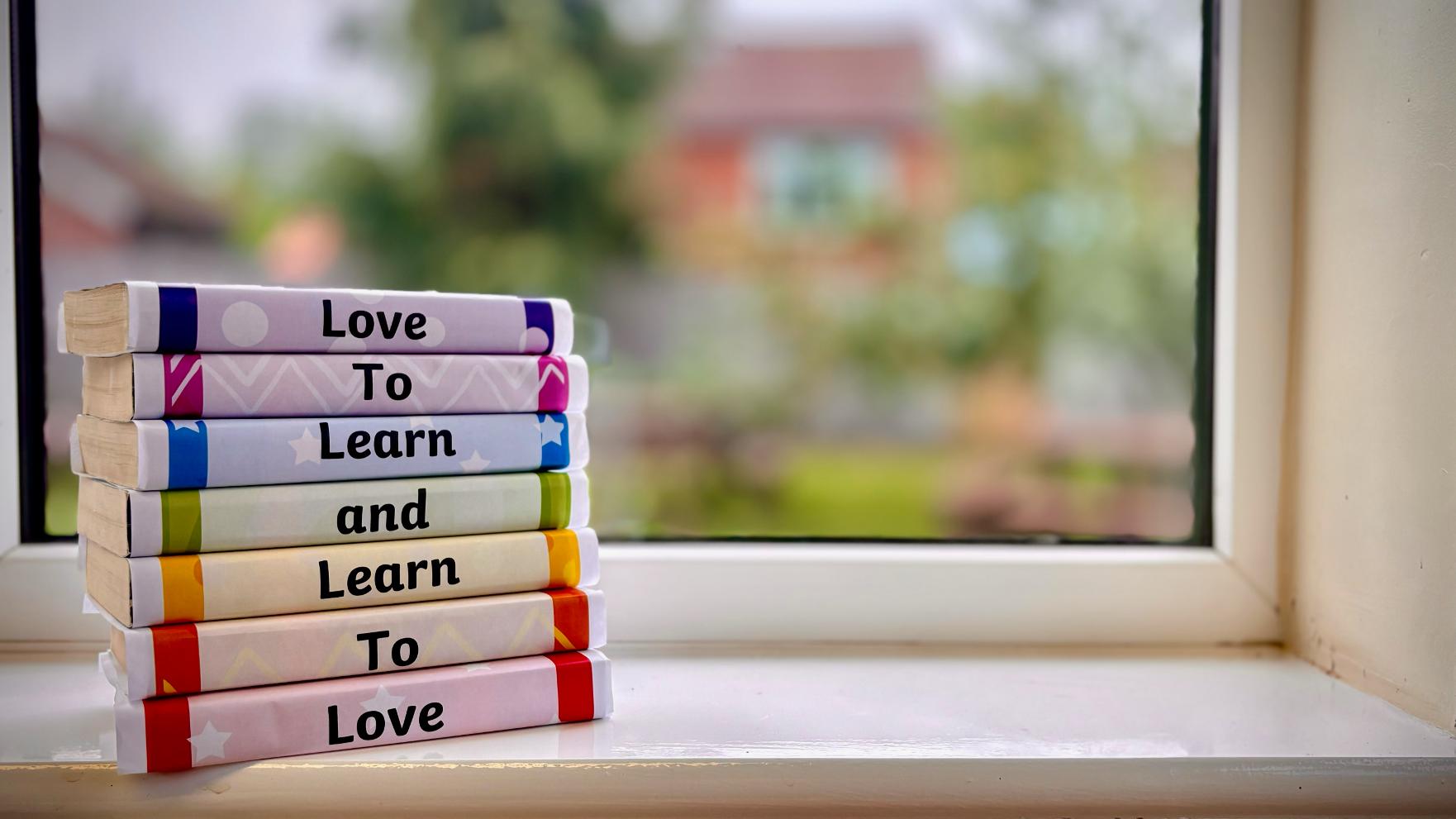
Our Vision: "Love to learn and learn to love."
Our 'seven R' values are embedded across the school, through our curriculum and lessons, our assemblies, our behaviour policy and procedures and everyday interactions.
RESPONSIBILITY
Children are supported in taking responsibility for their choices and actions, considering how they speak to and treat others, and taking ownership of their learning. Children are given responsibility in school in different ways, e.g. School Council, Junior Road Safety Officers, classroom monitors and through enterprise work.
RESPECT
We expect our children to show respect for each other, their feelings and beliefs, and develop empathy. We help our children to understand that accepting someone else’s opinion is important, even if they don’t agree with it, and that we need to take care of all property, whether it belongs to us or someone else.
RESILIENCE
We want our children to develop resilience in their learning and their daily lives, to understand that success often comes from perseverance and determination, and knowing that mistakes are necessary for learning. We equip our children to develop emotional resilience through our curriculum, assemblies, pastoral support and by helping each other.
RISK TAKING
Children are taught the difference between ‘dangerous’ risk-taking and risk-taking within a safe context. They are encouraged to try new things, even if this makes them feel a little uncomfortable, in order to broaden their experiences and learn from their mistakes.
RESOURCEFULNESS
We support children to show resourcefulness in their learning and in their thinking. They are encouraged to solve problems in creative ways, using a wide range of strategies.
REFLECTION
We encourage reflection to help children make sense of events, and to identify successes and things they might improve. This applies to their choices and actions towards others and to their academic learning.
REASONING
Children are taught to reason in different context and about a wide range of situations – we encourage ‘thinking outside the box’ to identify different ways to solve problems encountered in their academic work or in wider school life, which they can then apply outside of school.