Science
INTENT
- We want pupils to develop curiosity about the natural world and a strong desire to understand how things work.
- We aim to build secure and progressive knowledge in biology, chemistry and physics alongside confidence in working scientifically.
- We want pupils to ask questions, investigate phenomena and think critically using evidence to support explanations.
- We encourage pupils to recognise the importance of science in everyday life and its role in addressing global challenges.
IMPLEMENTATION
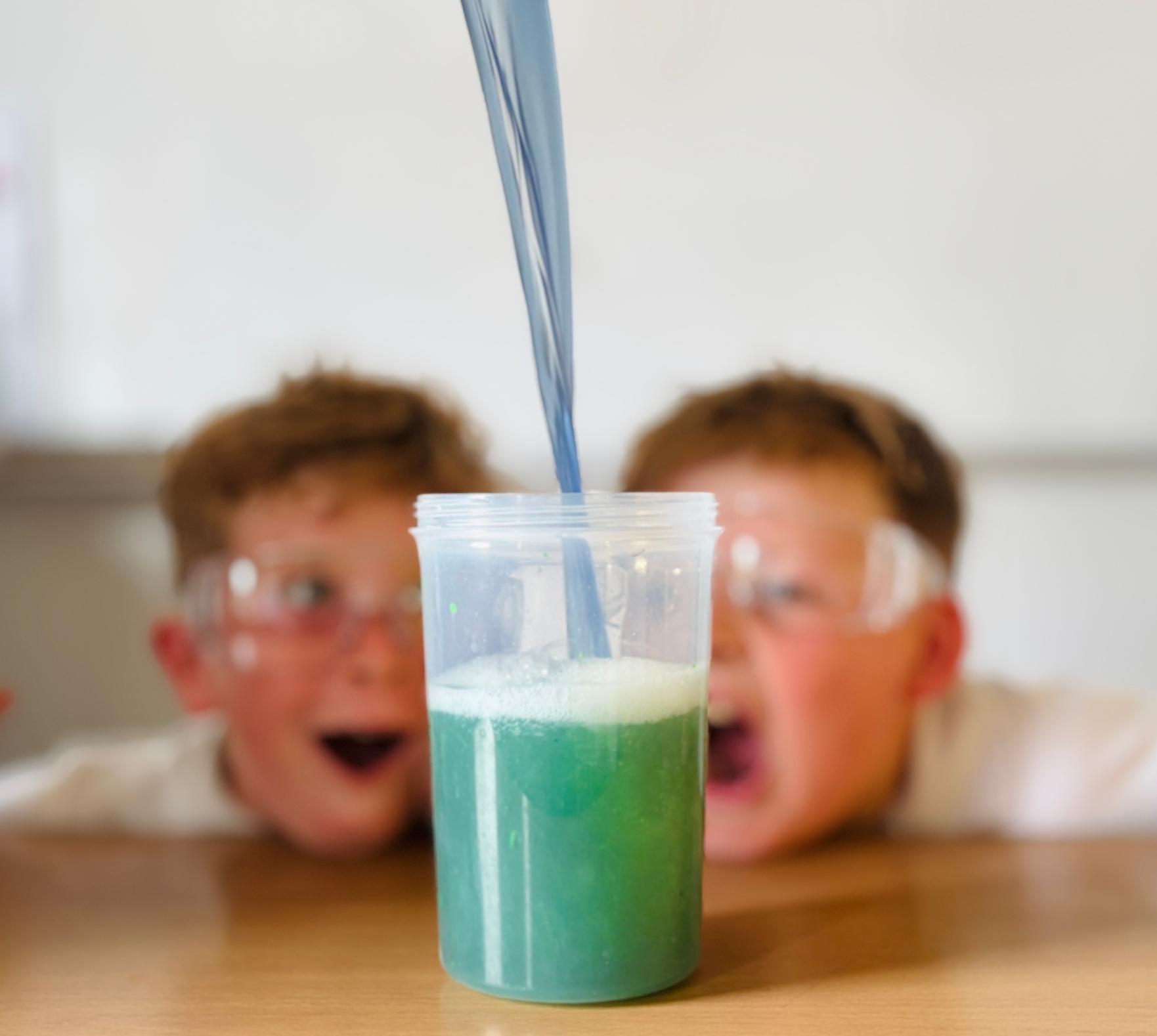
Science is taught using the Kapow curriculum, adapted to support mixed-age classes and structured around a spiral model so that knowledge and skills are revisited and developed with increasing depth. Teaching focuses on three key strands: scientific knowledge and understanding, working scientifically and science in action, ensuring pupils develop both conceptual understanding and practical enquiry skills.
In EYFS, children explore scientific ideas through play, observation and simple investigation, developing early skills in questioning and noticing change. Across the school, lessons include regular opportunities for recall, hands-on investigation and application of learning. Cross-curricular links are used where appropriate to help pupils see the relevance of science beyond the classroom and to deepen understanding.
IMPACT
Pupils leave primary school with a secure understanding of key scientific concepts and the confidence to investigate and explain the world around them. They can plan and carry out enquiries, use evidence to support conclusions and think critically about scientific information. Pupils are well prepared for further scientific study and understand the significance of science in their lives and in society.

|
Science Long Term Plan | [pdf 271KB] |

|
|
|
Science Skills and Knowledge Progression | [pdf 310KB] |
|
|
|
Science Vocabulary Progression | [pdf 266KB] |
|